
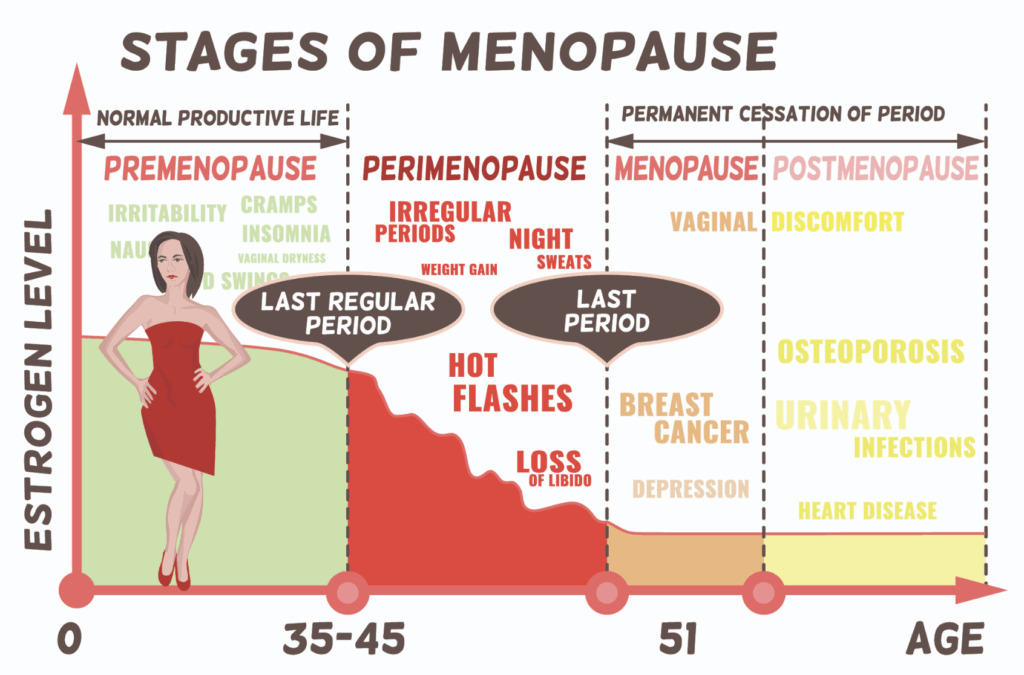
Are you wondering why your body suddenly feels different during menopause? Why joints that never bothered you before are now stiff and achy? You’re experiencing something doctors now recognize as the “Musculoskeletal Syndrome of Menopause”—a real condition affecting over 70% of menopausal women.
Understanding what’s happening in your body is the first step toward feeling like yourself again. Let’s explore how menopause affects your musculoskeletal system and why physiotherapy is proving to be a game-changer for recovery.
What Menopause Really Does to Your Body
Think of estrogen as your body’s ultimate maintenance crew. When levels plummet during menopause, here’s what happens:
Your Joints Lose Their “Oil Change”
Estrogen helps maintain joint lubrication and cartilage health. Without it, you experience:
- Increased morning stiffness
- Joint pain without obvious injury
- Reduced flexibility and range of motion
- Higher inflammation levels throughout your body
Your Muscles Start a Rebellion
Estrogen supports muscle protein synthesis. Post-menopause, you face:
- Accelerated muscle loss (up to 3% annually in early menopause)
- Decreased strength and power
- Slower recovery from exercise
- Changes in muscle fiber composition
Your Tendons and Ligaments Become Fragile
Collagen production drops dramatically—by up to 30% in the first five years after menopause. This means:
- Increased injury susceptibility
- Slower healing from strains and sprains
- Loss of tissue elasticity
- Greater risk of overuse injuries
The Hidden Connection: It’s Not Just Aging
Many women dismiss these changes as “normal aging,” but research reveals something crucial: the rate of musculoskeletal decline is 3-5 times faster during menopause than normal aging. This isn’t inevitable—it’s treatable.
How Expert Physiotherapy Transforms Your Recovery
Targeted Exercise Prescription
Your physiotherapist designs specific programs that work with your changing hormones, not against them:
- High-intensity resistance training proven to increase bone density by 2.9-5.2%
- Progressive loading that safely challenges weakened tissues
- Balance and coordination training reducing fall risk by up to 50%
Manual Therapy That Addresses Root Causes
Hands-on techniques provide immediate relief while promoting long-term healing:
- Joint mobilization to restore movement
- Soft tissue work to reduce inflammation
- Trigger point therapy for muscle tension
- Neural mobilization for nerve-related symptoms
Education and Self-Management Strategies
Knowledge is power. You’ll learn:
- How to modify activities during symptom flares
- Proper movement patterns to prevent injury
- Home exercise techniques for ongoing management
- When to push through vs. when to rest
Real Results You Can Expect
Clinical research shows physiotherapy interventions for menopausal women achieve:
- 68% reduction in joint pain within 8-12 weeks
- Significant improvements in muscle strength with properly designed resistance programs
- Enhanced quality of life across physical and psychological domains
- Reduced healthcare costs through prevention of more serious complications
Success Stories: From Struggle to Strength
Many of our clients describe physiotherapy as their “turning point” during menopause. They move from feeling frustrated and limited to confident and capable. The combination of targeted exercise, expert guidance, and ongoing support helps them not just recover, but often become stronger than before menopause began.
Your Path Forward
Menopause doesn’t have to mean accepting pain and limitation. With the right physiotherapy approach, you can:
- Reduce pain and stiffness naturally
- Build strength that protects against future injury
- Maintain an active, fulfilling lifestyle
- Feel confident in your body again
Don’t wait for symptoms to worsen. Early intervention with expert physiotherapy produces the best outcomes and can prevent many complications before they develop.
Ready to reclaim your strength and vitality? Contact our specialized menopause physiotherapy team today for your comprehensive assessment.
Your journey to feeling amazing starts with one appointment. Michelle is a Chartered Physiotherapist and a menopause practitioner and love helping women going through the menopause.