
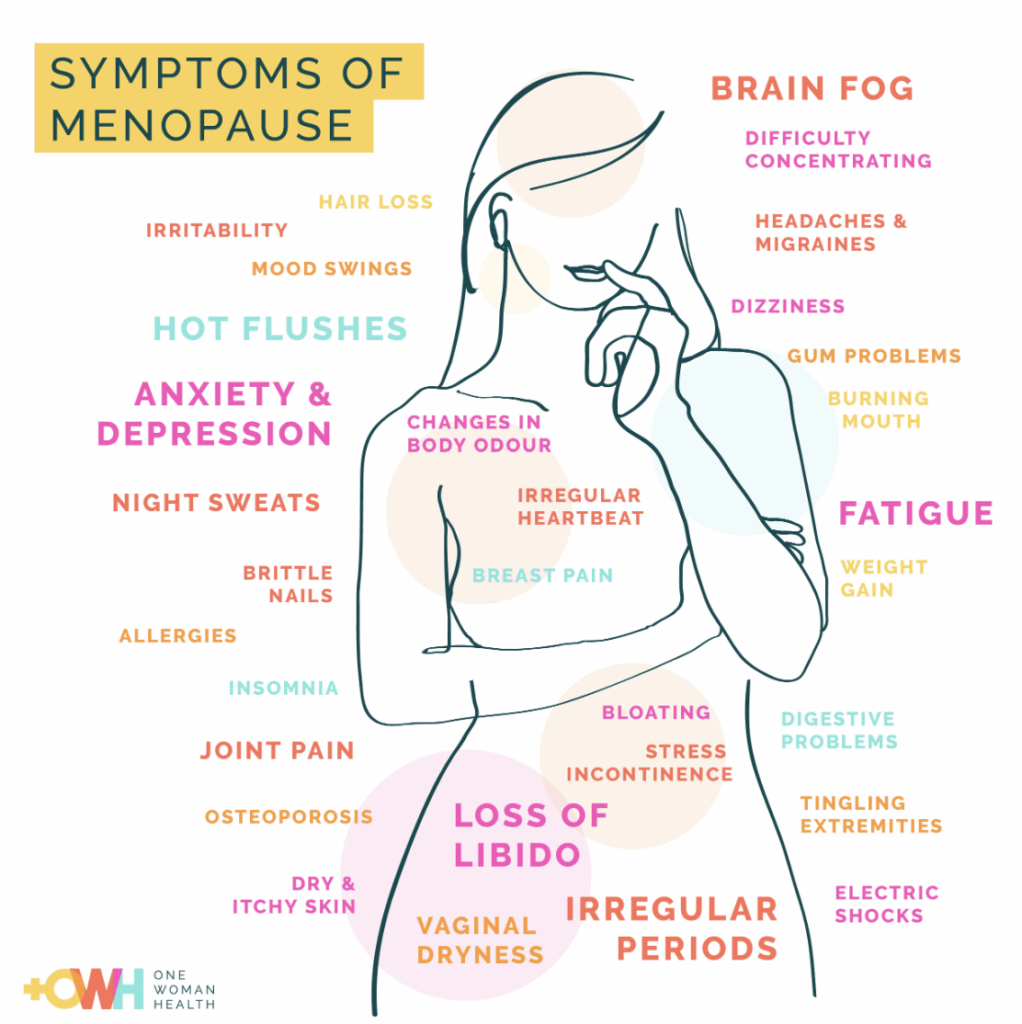
If you’re experiencing new aches, pains, and stiffness during menopause, you’re not alone. Recent research shows that up to 71% of menopausal women experience musculoskeletal symptoms, making joint and muscle problems the most common complaint during this life transition—even more frequent than hot flashes!
The good news? Physiotherapy has emerged as a powerful, evidence-based solution that can transform your menopausal experience. Let’s explore the three most common musculoskeletal issues and how expert physio care can help you reclaim your active lifestyle.
1. Joint Pain and Stiffness (Affecting 65-71% of Menopausal Women)
What’s happening: Dropping estrogen levels affect your joints’ ability to stay lubricated and flexible. You might notice morning stiffness, particularly in your hands, knees, and shoulders, or find yourself feeling like the “Tin Man” from The Wizard of Oz.
How physiotherapy helps: Your physiotherapist will design a personalized exercise program combining gentle mobilization, strength training, and flexibility work. Manual therapy techniques can reduce pain by up to 40% while improving range of motion. Research shows that women who engage in physiotherapy-guided exercise programs experience significant improvements in joint function and quality of life.
2. Osteoporosis and Bone Health Decline (Affecting 9-30% of Postmenopausal Women)
What’s happening: Bone density can drop by 2-3% annually during the first five years after menopause. This silent condition increases fracture risk, particularly in the spine, hips, and wrists.
How physiotherapy helps: Evidence-based programs like the LIFTMOR protocol demonstrate that high-intensity resistance training can actually increase bone density by 2.9-5.2% at the lumbar spine. Your physiotherapist will safely progress you through weight-bearing exercises and impact training specifically designed to stimulate bone formation. Balance training also reduces fall risk by up to 50%.
3. Sarcopenia (Muscle Loss Affecting 10-16% of Menopausal Women)
What’s happening: You might notice it’s harder to open jars, carry groceries, or maintain your usual strength. Muscle mass can decline by 0.5% annually after menopause, affecting both strength and metabolism.
How physiotherapy helps: Resistance training protocols show remarkable results, with studies demonstrating significant improvements in muscle strength and mass when performed 2-3 times weekly. Your physiotherapist will design progressive resistance programs that rebuild muscle while improving functional capacity for daily activities.
Why Physiotherapy Is Your Secret Weapon
Unlike generic exercise programs, physiotherapy offers:
- Personalized assessment of your specific needs and risk factors
- Evidence-based interventions proven effective for menopausal women
- Safe progression that accounts for hormonal changes and individual limitations
- Comprehensive approach addressing pain, strength, balance, and function
- Long-term strategies for maintaining independence and vitality
Your Next Steps
Don’t let menopause sideline your active lifestyle. Research consistently shows that women who engage with physiotherapy during menopause experience better outcomes, reduced pain, and improved quality of life.
Ready to take control? Contact our expert physiotherapy team today for a comprehensive menopausal musculoskeletal assessment. Together, we’ll create a personalized plan to help you move better, feel stronger, and embrace this new chapter with confidence.
Our Physio Michelle is a trained Menopause Practitioner – Book your consultation today—your future self will thank you.